All entries by this author

Essential Oils and Pets: A Quick How-To

May 7th, 2015 | Category: Young Living Product Blog

If you love using Young Living products in your home, you’ve probably wondered how you can share their amazing benefits with your animals. Which oils are safe to use? How much can I apply? Should I diffuse or apply topically?


If you’ve ever had questions like these, we’re here to help! Check out this quick-and-easy how-to guide for using essential oils with animals.* Whether you’re a beginner or an expert, here are a few things to keep in mind:


Most animals are more sensitive than humans to essential oils.

  • Start by diluting heavily and use in moderation.
  • Every animal is different, so carefully observe how each animal responds to the oils. Use common sense and good judgment as you try different methods.
  • Take special care to not get essential oils in an animal’s eyes.
  • Avoid using high-phenol oils such as Oregano and Thyme with any animals, especially cats.
  • Use special caution when using essential oils with cats. Cats are also generally averse to citrus essential oils.

Your animal’s size affects the amount of oil you should use.

  • For smaller animals like cats and small dogs, use 3–5 drops. Be sure to dilute 80–90 percent prior to application (for example, for every 1 drop of oil, use 4–5 drops of a diluting agent, such as V-6 Vegetable Oil Complex).
  • For larger animals, like large dogs, start with 3–5 drops. Unless otherwise indicated on the product label, dilution is unnecessary.
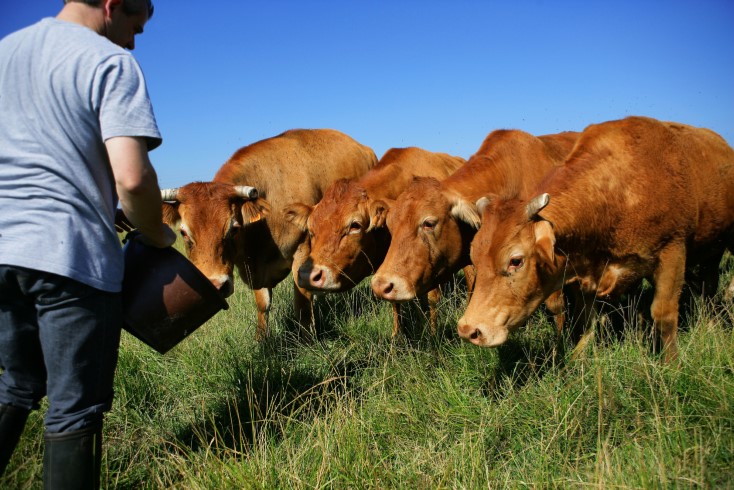
  • For very large animals, like horses and cattle, start with 10 drops. Unless otherwise indicated on the product label, dilution is unnecessary.


Apply oils to yourself or diffuse to introduce animals to essential oils and help them get comfortable.

  • Wear oils around your animals, diffuse in their space, or apply to your hands and let the animal smell them.
  • If your animal is jittery or resistant to essential oils, try applying an oil to yourself and staying near the animal for several minutes so it can get used to the aroma.

Once they’re used to essential oils, animals can respond well to topical application.

  • For cats and dogs, paws are a great place to apply essential oils.
  • For hoofed animals, we recommend application on the spine or flanks.
  • Try rubbing oils onto your own hands and then stroking the animal’s fur.
  • For large or hard-to-reach areas, combine essential oils with V-6 Vegetable Oil Complex or water in a spray bottle for easier application.
  • Animal Scents Ointment can be used to seal and protect areas where essential oils have been applied topically.


Essential oils can be administered internally.

  • Some essential oils can be mixed with your animal’s food.
  • For large animals, you can pull out the bottom lip and drop oils directly into the mouth.


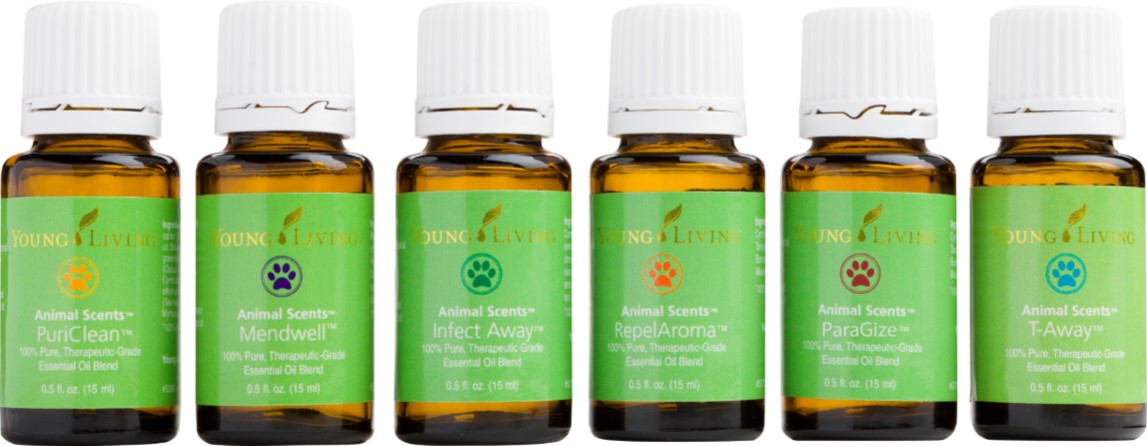
Young Living offers a full line of animal-specific products.


AnimalScents Oils - Young Living

*If your pet or animal has a known health issue, please consult your veterinarian before administering essential oils.

Article source: https://www.youngliving.com/blog/essential-oils-and-pets-a-quick-how-to/

Read more...


When Life Gives You Lemon…

May 6th, 2015 | Category: Young Living Product Blog

In our last post, we got you acquainted with the history and uses of Lemon essential oil. Are you ready to take some of that knowledge to the kitchen? Today, we’re sharing some favorite recipes that feature zesty Lemon!

How do you use Lemon essential oil in the kitchen? Let us know in the comments!

Article source: https://www.youngliving.com/blog/when-life-gives-you-lemon/

Read more...


All About Lemon

May 4th, 2015 | Category: Young Living Product Blog

Lemons Infographic – Young Living

Check the blog Wednesday for some delicious recipes featuring Lemon essential oil!

Article source: https://www.youngliving.com/blog/all-about-lemon/

Read more...


Start the Summer Off Right!

May 1st, 2015 | Category: Young Living Product Blog

Get your summer started off right with the sunny, exotic warm-weather favorites in this month’s PV rewards!


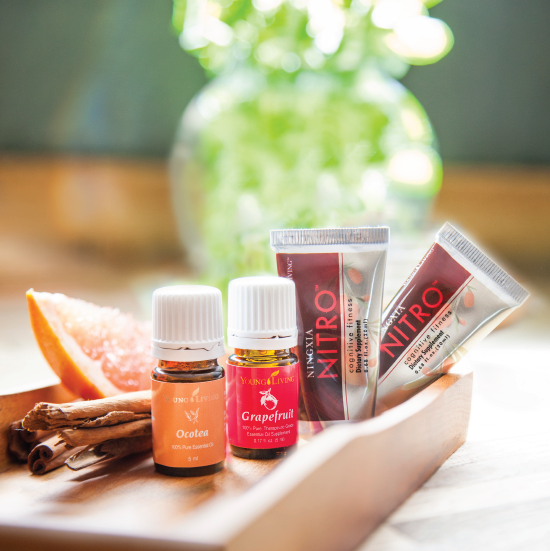
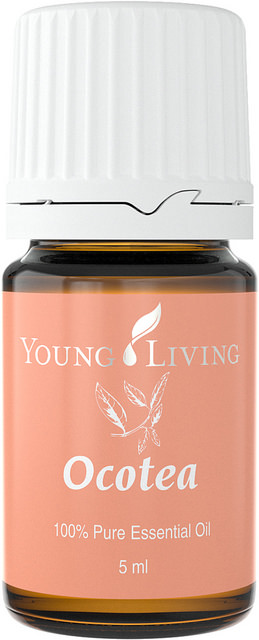
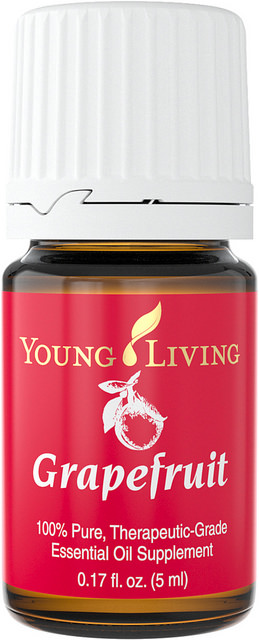
Earn a free 5-ml Ocotea essential oil, plus a $20 enrollment coupon and NingXia Nitro 14-pack with your qualifying May order. With a qualifying Essential Rewards order of 190 PV or above, you’ll also earn a bonus 5-ml Grapefruit essential oil! Click here for more information or shop now!


Make the most of these valuable rewards with these easy and fun DIYs:


Ocotea

Ocotea essential oil is extracted from an Ecuadorian tree and has a complex, cinnamon-like flavor profile. When taken as a dietary supplement, Ocotea can support a healthy diet.*


  • Out of Slique Essence? Add a few drops of Ocotea to a glass of water or your favorite tea to help curb snacking urges and preserve healthy eating habits.*
  • Ocotea has a similar taste to cinnamon, but it is milder. Add a drop or two to a bowl of oatmeal or other hot cereal in the morning for extra flavor.


*These statements have not been evaluated by the Food and Drug Administration. These products are not intended to diagnose, treat, cure, or prevent any disease.


Grapefruit

A key ingredient in Slique Essence and Power Meal, Grapefruit has a fresh, zesty taste and makes for a delicious twist in food or water. Grapefruit essential oil contains the naturally occurring compound limonene.


  • Give a dull glass of water a zesty, fresh flavor with a few drops of Grapefruit essential oil.
  • Add 2–3 drops to marinades for a bright, zesty flavor for summer grilling.


How would you use the free Ocotea and Grapefruit essential oils in your qualifying May order? Let us know in the comments!

Article source: https://www.youngliving.com/blog/start-the-summer-off-right/

Read more...


The Power of Belonging: A Special Interview with Platinum Kim Mahr

Apr 23rd, 2015 | Category: Young Living Product Blog

At the recent What a Woman Wants Expo in Sandy, Utah, Young Living Platinum Kim Mahr presented on “The Power of Belonging,” an insightful look into why a supportive community, or “tribe,” can be key to achieving our goals of happiness and success.


Kim is a top Young Living leader, licensed psychotherapist, and motivational speaker and coach. Her specialty is helping people get “un-stuck” in all areas of their lives, personally and professionally. We asked Kim to share some of her perspectives with us.


In your presentation, you spoke of your tribe. Who are they, and what role do they play in your life?

For me, this journey is about being in a community with a tribe of people who uplift, empower, and support me every single day. My work isn’t about money; it is about sharing and being of service to others, and from there, the money also flows. As women, we crave connection and community, and we are often the caretakers of our families and our community. We naturally share what we love. I see it as my role and responsibility to empower the women in my tribe to become the best versions of themselves. Through this vision, I have developed friendships deeper than I ever could have imagined.


What role has Young Living played in your journey?

At a time when I was at rock bottom, a friend reminded me of Young Living products I had used off and on for the past 16 years. It was a timely reminder that I had the power to take care of my children and myself. I started simply by finding and using products that addressed my needs and transformed my family’s overall wellness. But for me, it was much more than the products. I was connected to a group of women who lifted me up when I needed it most. I am grateful to have the opportunity to share Young Living products with others and provide the foundation and support to those who need it most.


What is the key message you wanted to share with everyone at the expo?

We come from all walks of life, from wonderfully diverse backgrounds and perspectives. We are mothers, sisters, daughters, and friends. We all, on some very basic level, crave connection. We want to belong. Belonging gives us a framework by which we define ourselves.


We all share a common mission: to connect with, nourish, nurture, and lift others up. We are here, together, to help each individual in our tribe become the highest and best version of themselves through self-empowerment and to achieve their own personal dreams, whatever they may be.


A big thank you to Kim for sharing her insights with us on building a community of empowerment.

Who is in your tribe? Give a shout-out in the comments!

Article source: https://www.youngliving.com/blog/the-power-of-belonging-a-special-interview-with-platinum-kim-mahr/

Read more...


Love Your Mother: Green Living Tips

Apr 22nd, 2015 | Category: Young Living Product Blog

Because Young Living’s proprietary Seed to Seal® process is a close partnership with the earth, we work every day to make our production processes ever more friendly to our delicate planet. Some of our efforts include reusing floral water in the distilleries at the Mona, Highland Flats, and Northern Lights farms; avoiding the use of chemical sprays on our fields; and annual reforestation efforts following our Winter Harvest events.


This Earth Day we invite you to join us in supporting and protecting the earth. Here are some simple tips for reducing your footprint, making your day-to-day life—and the planet—a little greener!


At Home

  • Set your heater to 68 degrees Fahrenheit or lower in the winter and 78 degrees Fahrenheit or higher in the summer.
  • As weather gets colder, open your window curtains during the day and close them at night to help conserve energy.
  • Constantly talking, texting, and browsing? Use a solar cell phone charger to power your cell phone. Not only are you using renewable energy, but many solar chargers are also conveniently portable!


Unplug your electronics when you are not using them. Many electronic devices, such as toasters, continue to draw energy even when not in use.

  • Turn the lights off when you are not in the room. By cutting your energy use, you are both helping the earth and reducing your power bill.
  • Ditch your clutter and have a yard sale. You’ll keep usable items out of a landfill and make a little extra cash!
  • Alternatively, you can also donate your used goods to thrift stores and reuse centers instead of throwing them away. Your trash just might be someone else’s treasure.
  • When possible, try purchasing used goods, such as clothes, appliances, and more. This helps to keep usable goods out of a landfill, while creating a smaller demand for newly manufactured goods.

Bring your yard inside! In some areas, indoor air can be as much as 12 times more polluted than outside air, due to compounds in paints, furnishings, clothing, and building materials. Research shows that many common houseplants and blooming potted plants can improve your health by producing oxygen and helping to fight these pollutants indoors.


Laundry

  • Hang your clothes out to dry in the spring or summer. Use an indoor drying rack in the winter. Doing so reduces both energy use and wrinkles!
  • Keep your clothes newer, longer while using fewer resources by washing your laundry in cold or warm water instead of hot.


Bathroom

Use naturally derived cleaning products. Simple products such as baking soda, borax, vinegar, and Thieves® Household Cleaner are healthy and environmentally friendly alternatives.

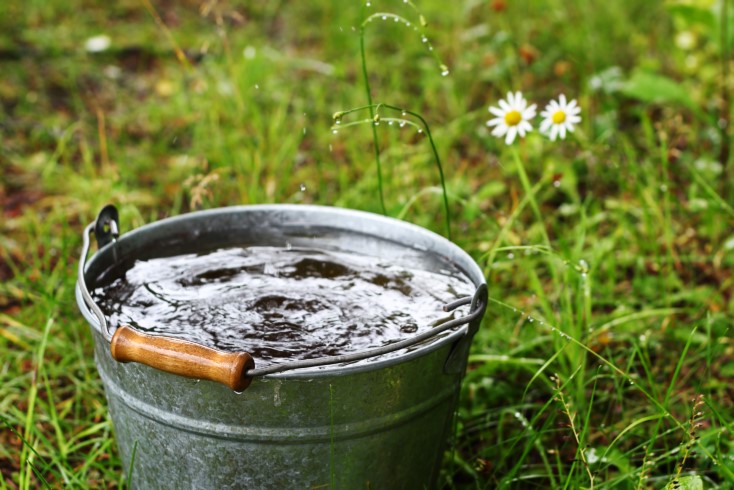
  • Keep a bucket by the shower to fill up as the water warms. Use that water to wash pets, water plants, or flush toilets.
  • Limit showers to four minutes, which can save a staggering 25,000 liters of water per year!
  • Dual-flush toilets, aerated faucets, and high-efficiency shower heads can help to produce up to 50 percent water savings in your home. To make the transition to more efficient fixtures more affordable, try swapping them out one at a time, instead of all at once.


Kitchen

  • Hit the farmer’s market. Buying local allows you to know where your food and goods come from, supports the local economy, and cuts down on greenhouse emissions because local and in-season food doesn’t have to travel from far-flung destinations.
  • Buy products without packaging, such as bulk staples such as flour or loose produce such as apples.
  • Make your own food. Requiring no large-scale manufacturing resources, homemade breads, jams, jellies, preserves, applesauce, and baked goods taste better anyway!
  • When possible, consider using smaller and more efficient toaster ovens, pressure cookers, crock-pots, microwaves, and electric grills instead of an oven or stove.
  • A well-stocked freezer and fridge will use less electricity. Try filling extra space with water pitchers.

Efficient lighting has come a long way since the days of flickering, unflattering fluorescent tubes. New Compact Florescent Lightbulbs (CFLs) look warm and natural and use significantly less energy than incandescent bulbs. While the up-front cost may be higher, you may go years before needing to replace one, saving lots on your power bill in the meantime.

  • Place lids on your pots when preboiling water for cooking to trap heat.
  • Recycle as much disposable material as possible, including paper, plastics, Styrofoam, and glass. Recycling centers in some areas will even pay you for recyclable materials!


In the Yard

Grow your own fruits and veggies. Not only do you get to enjoy the extra nutrients, but gardening is also a fun, fulfilling hobby for the whole family!

  • Grow organic! The use of chemical fertilizers on your lawn can lead to the degradation of natural aquatic ecosystems in your area.
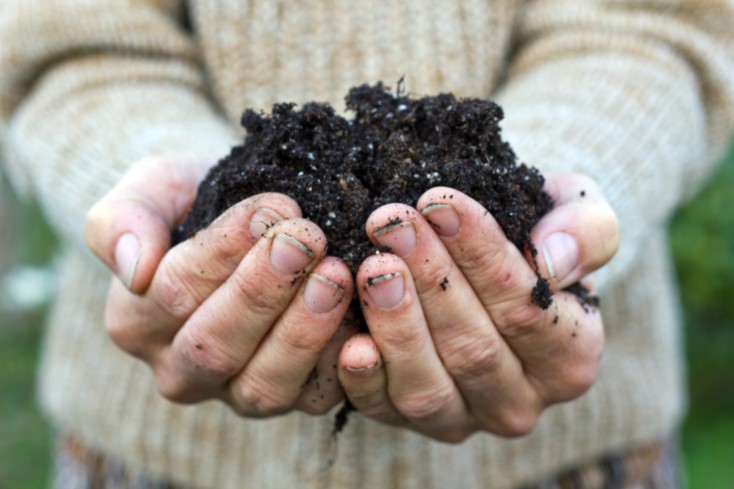
  • Compost all green waste, including plants and kitchen scraps.
  • Landscape with native plants. They require less water and maintenance.


At Work

  • Go paperless. Print only what you need and keep the rest electronic.
  • Take the stairs! By avoiding the elevator, you will stay fit and help your building conserve energy.
  • Bring a reusable water bottle to help you stay hydrated. Reusable bottles create less waste than disposable ones. When you use your own metal or glass bottle, you can even add your favorite essential oils!
  • Bring your lunch to work in reusable containers, and use your own silverware and cloth napkins. The packaging associated with fast food, take-out, and disposable flatware has a significant environmental impact.


On the Road

Get a little exercise and cut your carbon emissions when you walk instead of drive.

  • Enjoy some extra free time when you take public transit. You can read, meditate, socialize, or catch up on the morning news on your mobile device when you’re not behind the wheel!
  • Purchase a hybrid vehicle, and account potential fuel savings into the purchase price.
  • Combine errand trips. Hit the post office on the way to pick up your kids from school instead of making separate trips.
  • When you carpool, you can save on gas, build friendships with coworkers, and cut your carbon emissions!


What are your top tips for minimizing your environmental impact? Let us know how you like to go green in the comments.


Article source: https://www.youngliving.com/blog/love-your-mother-green-living-tips/

Read more...


Three Simple Steps to Fab Feet

Apr 20th, 2015 | Category: Young Living Product Blog

The weather is warming up, and it’s almost time to trade in your snow boots for sandals. Get your feet smooth and summer-ready with three simple steps. It’s easy to add these steps to your weekly routine so your feet can stay fab from April through August!


Step One: Exfoliate

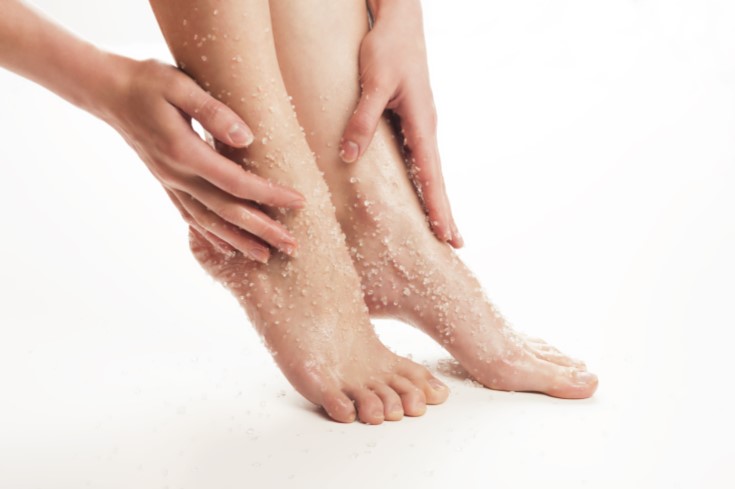
A sugar scrub will gently slough off old skin cells to reveal your soft and smooth feet. This DIY essential oil-infused scrub smells great and will transform your feet.


Sugar Scrub

  • ¾ cup raw sugar


In a small bowl, mix V-6 oil with essential oils. Add mixture to raw sugar in a larger bowl and combine thoroughly. Store in an airtight jar.


When applying in the bath, you may want to use a pumice stone to speed up the exfoliation process; however, avoid scrubbing your calluses raw or removing them altogether. Remember, they are there to protect your feet. Simply buff them smooth and avoid any cuts or lacerations that could invite infection.


          HINT: Use about a tablespoon for each foot. Be careful: The scrub can make your shower slippery! I find that washing and thoroughly rinsing one foot before the other helps me avoid slipping.


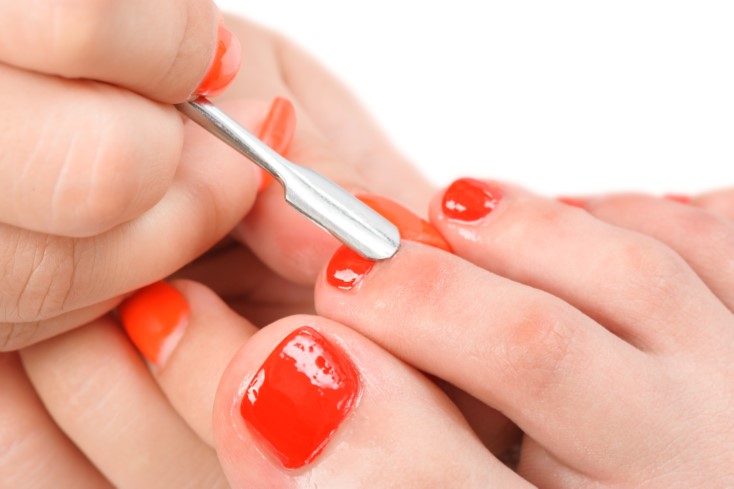
Step Two: Cuticle Care

After a shower or bath, gently push your cuticles back in preparation for a DIY cuticle treatment. You can use a pedicure tool or a towel.


Cuticle Treatment


Fill an empty 15-ml bottle about halfway with V-6. Add 20 drops of Tea Tree oil, and then continue to add more V-6 until the bottle is full. To use, add 1 drop to your cuticles and rub in until absorbed.


          HINT: Use an AromaGlide Roller Fitment on the top of your 15-ml bottle to make application of this treatment quick and easy.


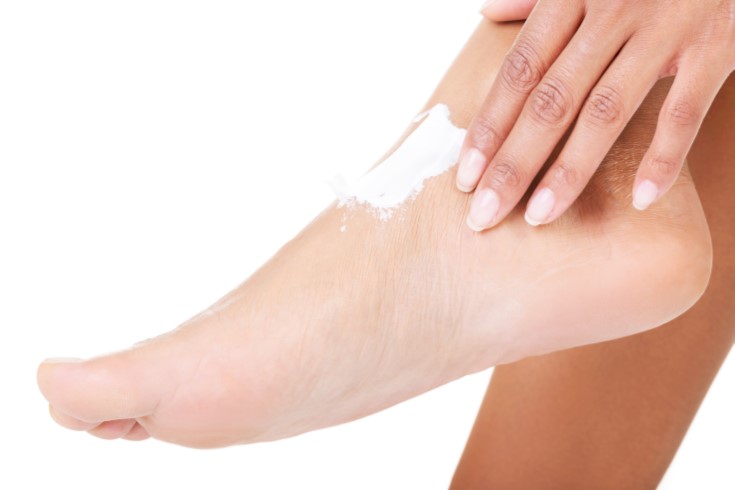
Step Three: Moisturize

Young Living offers fantastic moisturizers, including Genesis, Lavender, Sensation Hand Body Lotion, and KidScents® lotions. If you do not have a favorite, purchase a couple of options in your next order and start finding your new favorite.


          HINT: Before going to bed, generously massage your favorite Young Living lotion all over your feet and legs, and then put on a pair of moisturizing socks.


Whether you make this DIY pedicure a part of your spring cleaning routine or decide to do it every day, these three simple steps are sure to keep your feet happy and ready for the sunshine!


Do you have your own pedicure routine? Tell us about it in the comments!


Gloria Russo—International and Portfolio Brand Manager, Personal Care

Article source: https://www.youngliving.com/blog/three-simple-steps-to-fab-feet/

Read more...


Essential Oils in the Ancient World: Part III

Apr 18th, 2015 | Category: Young Living Product Blog

While people in ancient times quickly recognized the value of using* pure botanicals, methods for extracting the essences of those botanicals have evolved slowly over time. Let’s explore the development of these processes, from the most basic to today’s advanced methods.


Some early herbalists combined the use of the essential oil with an extraction method. For example, those seeking the aromatic experiences of a botanical would boil the plant in water and enjoy the essential oil-heavy steam as it permeated the room. However, this method didn’t allow for topical use of the product and didn’t offer the concentrated form that many herbalists sought.


In order to extract a more pure and conservable essential oil, early extractors stripped the bark from cedar, sandalwood, and other trees, ground the bark finely, and mixed the powder with olive oil. This mixture was then placed on a wool cloth, heated, and pressed, squeezing the essential oil out of the bark powder and into the olive oil. The olive oil and essential oil mix could be stored in clay jars and used topically or aromatically.


Ancient perfumers also discovered that animal fat will absorb the fragrant compounds from plants, leading to a process called cold enfleurage. In cold enfleurage, animal fat is spread over a large glass surface, after which the perfumer spreads flower petals or entire plants over the fat. Over the course of several days, the fat absorbs the organic compounds from the botanicals. The botanicals are then removed and replaced by fresh plants repeatedly until the fat has absorbed the desired concentration of compounds.


In hot enfleurage, botanicals are stirred into fat that has been heated to liquid form. The mixture is repeatedly strained and fresh botanicals replaced until the fat is sufficiently saturated with botanical compounds. This fat could also be used topically or aromatically.


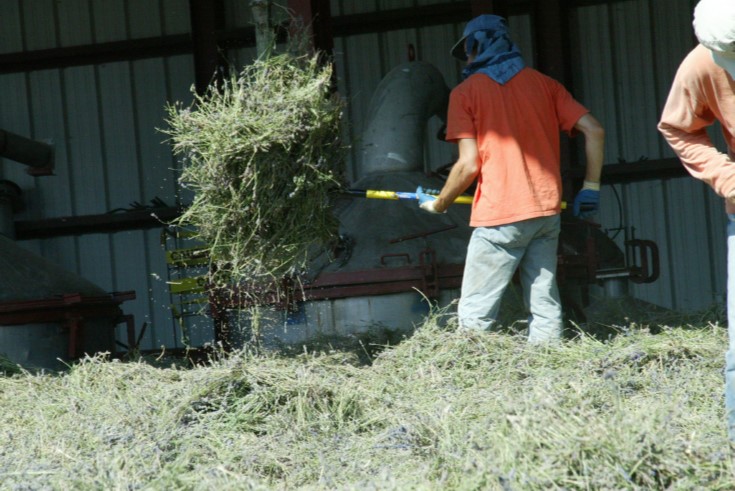
Over the centuries continued innovations produced methods such as cold pressing, soaking botanicals in alcohol, and rudimentary steam distillation. Young Living Founder and CEO D. Gary Young studied with scientists in Europe who had spent many years researching essential oils, such as Dr. Jean-Claude Lapraz, Paul Belaiche, MD, and Dr. Daniel Pénoël. Later, he met Jean-Noel Landel and Henri Viaud, experienced practitioners of essential oil distillation. Gary continued to learn while experimenting with distillation until he developed Young Living’s proprietary Seed the Seal® process, which includes the most effective essential oil distilling process ever created.


The Seed to Seal distillation process is the realization of millennia of hard work, research, and trial and error by individuals around the world and throughout history, and it produces today’s purest and most potent essential oils.


From simple boiling methods, to crushed powders, to animal fats, humans have tried every method and means possible to extract essential oils from plants. Today we’re lucky enough to enjoy the improved descendent of those early methods: Seed to Seal. Thank you for joining us as we explored the history of essential oils in the ancient world! What was the most surprising thing you learned from Part I, Part II, and Part III? Let us know in the comments!


Article source: https://www.youngliving.com/blog/essential-oils-in-the-ancient-world-part-iii/

Read more...


Essential Oils in the Ancient World: Part II

Apr 16th, 2015 | Category: Young Living Product Blog

Ancient RomeIn our last post, we talked about the emergence of Egypt as a leader in the field of essential oil usage.* Ancient Egyptians used many plant recipes for healing and spiritual practices, serving as forerunners to today’s essential oil movement. However, the use of essential oils and similar products didn’t end there! The vast influence of the Egyptian empire made it the hub for the spread of essential oil knowledge throughout the ancient world.


The most prominent borrower of Egyptian knowledge was the Roman Empire. Rome invaded and conquered Egypt in 30 B.C., wresting control from Cleopatra and establishing itself as the preeminent civilization in the region.


This shift in power spurred the ascension of Roman clerics to the top of the natural-solutions pyramid. Their most lucrative botanical, balsam, was heralded for its varied uses. Roman BathsRome also became famous for its bathhouses, which used aromatic botanicals such as bay laurel, pine, fir, and juniper. These plants and their extracted essential oils were also used in massages or other therapeutic practices. When baths were not available, ancient Romans used scented olive oils to clean their bodies, applying them to the skin and then scraping them off with an instrument called a strigil.


One of the most enduring records of essential oil use during the Roman Empire is the New Testament. Israelites used essential oils such as frankincense, cedarwood, hyssop, fir, and spikenard to heal wounds and elevate spiritual communion. The most famous example of the value that essential oils had in Israelite culture is in the telling of the birth of Jesus, to whom gifts were given of gold, frankincense, and myrrh.


Gold Frankincense MyrrhThe Egyptian and Roman empires may have declined, but ancient healers’ wisdom continued to spread. Renowned writers from the Middle East such as Persian polymath Ibn Sīnā (980–1037 A.D.) and Islamic botanist and physician Ibn al-Baitair (1197–1248 A.D.) promoted the use of herbs and essential oils. In 12th-century Germany, Saint Hildegard of Bingen used herbs and oils in practice and gave valuable insight into medieval medicine with her works, including Physica, a 200-chapter chronicling of plants and their uses.*


It’s obvious that the ancient world, from Egypt, to Rome, to Israel, to Persia, regarded essential oils and other plant byproducts highly. But how, exactly, did our ancestors extract essential oils from plants, and how did these early methods evolve into today’s highly advanced extraction technology? Join us for our next post to find out!


*Information regarding traditional use is for informational purposes only and is not based on modern science, nor should this information be construed as expected results from use.

Leave a Reply Cancel reply

Article source: https://blog.youngliving.com/essential-oils-in-the-ancient-world-part-ii/

Read more...


Essential Oils in the Ancient World: Part I

Apr 14th, 2015 | Category: Young Living Product Blog

Egyptian PyramidsEssential oils are gaining worldwide recognition for their versatility, but their use is not necessarily new. The use of botanicals as healing agents is a long-standing practice throughout human history. In fact, essential oils and other botanicals have been used in wellness practices as early as 3500 B.C. That’s prehistoric!


This week on the blog, we’ll be exploring the use* of essential oils in ancient Egypt, their increased exposure, and how Young Living’s Seed to Seal® process is the evolutionary pinnacle of thousands of years of essential oil production and use. First up, let’s explore a culture where some of the first recorded uses of essential oil precursors began: Egypt.


Ancient Oils in Ancient Egypt

The fertile soil around the Nile River became a source of life throughout Africa. The kingdom of Egypt grew around the delta of the Nile, and its name became synonymous with power, wealth, and technological advancement.


Nile RiverThe abundance of food in Egypt, owed to the richness of the land, allowed for the development of a rich culture, which included some of the earliest advances in writing, agriculture, urbanization, and central government. In addition, this progressive culture was the perfect stage for innovation in herbal medicine.


One of the first recognized compilations by ancient healers is called the Ebers Papyrus. Although it dates from approximately 1500 B.C., it is believed to have been copied from earlier texts. The scroll contains recipes, ceremonies, and other information that Egyptians deemed worthy of preservation.


But, of course, the most famous Egyptian use of aromatic botanicals is in mummification. In preparing the bodies of the deceased for burial, embalmers used various botanicals such as cinnamon, resins such as frankincense and myrrh, and an early form of cedar or juniper essential oil.


Frankincense Resin - Young LivingWith such cutting-edge advances, Egypt’s international renown drew researchers from neighboring countries, leading to expanded use of botanicals in everyday life. Check out our next post, as we discuss how Egypt’s influence precipitated the spread of essential oil wisdom throughout the ancient world.


*Information regarding traditional use is for informational purposes only and is not based on modern science, nor should this information be construed as expected results from use.

Leave a Reply Cancel reply

Article source: https://blog.youngliving.com/essential-oils-in-the-ancient-world-part-i/

Read more...